

CISO 360 Asia & Oceania
25-26 September 2019
Singapore
Registration is now closed
Team Pulse would like to thank everyone who participated in the inaugural CISO 360 Asia & Oceania in Singapore! We hope to see you again next year in Singapore on 8-9 September 2020 for the second annual conference!
“If you want to hear real CISO experiences, you must attend this event!”
– Chuan-Wei Hoo, CISO, ST Engineering Singapore
“A very thoughtful event, great networking and industrial expertise in the room to learn from!”
– Ryan Chan, Director, Security, Laureate International Universities Malaysia
“The best cybersecurity event that I have ever attended. I look forward to seeing you next year!”
– Manoj Wadhowa, Senior Manager, Cybersecurity, EY Singapore
Connecting minds and building global trust and resilience in cybersecurity and innovation
CISOs, CTOs, CIOs, technology, risk and governance practitioners and leaders from across the APAC and Oceania region and beyond met in Singapore to benchmark progress and approaches to cybersecurity challenges.
Designed to benchmark current understanding, approaches, challenges and opportunities in cybersecurity and digital innovation, CISO 360 is an authentic international think tank that aims to forge trusted, lasting professional connections for all participants – delegates, speakers and sponsors. The programme provides critical updates on the emerging opportunity and risk horizon, role expectations and business technologies within the years to come.
Collaboration and building bridges in the cybersecurity field is more important than ever – trusted partnerships and connections are vital, within supply chains, stakeholders and with customers. This agenda will focused on key cybersecurity challenges – including questions around AI, machine learning, automation, cloud, mobility and security.
- As technological advances continue to outpace operations, legal and policy, how can we build trust in technology while remaining accessible? How do we translate trust, sharing and collaboration into technological terms?
- How can we ever strike a balance between attackers and defenders as our surface areas keep expanding?
- How can we take leverage the business opportunities of data explosion, analytics and threat intelligence?
- What is the right level of prescriptive law, regulation and standards for cyber risk?
- With so many technology providers, how do we make supplier choices? What is our ‘plan b’?
International Speaker Panel, Singapore 2019
- Alex Quintieri, Group CISO, FWD Insurance (Hong Kong)
- Aloysius Cheang, Board Director and Executive Vice President for Asia Pacific, The Centre for Strategic Cyberspace + International Studies (Singapore)
- Cesar Cabrera, Manager, Darktrace
- Chuan Wei Hoo, CISO, ST Engineering (Singapore)
- Darren Argyle, Global CISO for Client Services, Business Lines – Managing Director, Standard Chartered Bank, Singapore
- David Smith, Retired FBI Agent and Frmr Regional Intelligence Manager – APAC South, The Walt Disney Company
- Daryl Pereira Partner, Head of Cybersecurity Consulting, KPMG Singapore
- Edvinas Pranculis, Vice President, Global Sales Operations, Data Protection Officer (DPO), SOC Prime Inc. (Lithuania/ U.S.)
- Gerry Sillars, Vice President of Asia Pacific, Skybox Security (Singapore)
- Dr Guan Seng Khoo, Board Adviser, Fintech Companies (Former Head of ERM/GRC, Alberta Investment Management Corporation – AIMCo) (Singapore)
- Ian Farquhar, Director, Worldwide Security Architecture Team, Gigamon
- Irene Corpuz, Manager, Strategy and Future Department, HCT – UAE Government Entity (UAE)
- Jenny Reid, Director, iFacts (South Africa)
- Kevin Austin, Director Information Security, Intercontinental Exchange
- Leonard Ong, Group CISO, Fullerton Health (Singapore)
- Linda Nguyen Schindler, Programme Head of ICE71, Innovation Cybersecurity Ecosystem at BLOCK71
- Eng. Manan Qureshi, APAC Head of Security Strategy, Risk & Compliance Practice, IBM Security (Singapore)
- Marcus Alldrick, Former CISO, Lloyd’s of London (UK)
- Matthias Muhlert, CISO, HELLA (Germany)
- Lady Olga Maitland, Founder, UK Defence and Security Forum and Chairman, Copenhagen Compliance (UK)
- Ray Stanton, SVP/Group Chief Security Officer
- Rajeev E. Kumar, Franchise Dispute Resolution Management – AP, Mastercard
- Prof Dr Robert Coles, Visiting Professor, Royal Holloway (UK)
- Tobias Gondrom, Group CISO, UOB (Singapore)
- Dr Viktor Polic, Head of Information Security and Assurance Services Unit, International Labour Organization (ILO), United Nations (Switzerland)
- Dr Sally Leivesley, Director, Newrisk Ltd, A Founder Member, The Exercise Group7 (UK)
Strategy, future and innovation projects – security by risk, governance and design. What are new expectations, challenges, strategies and responses?
DAY ONE:
- GLOBAL HORIZON, INNOVATION AND INVESTMENT
- SECURITY LEADERSHIP, GOVERNANCE AND LINES OF DEFENCE
DAY TWO:
- FINANCIAL CRIME, CYBERCRIME, THREAT INTELLIGENCE
- RISK MITIGATION -WHAT IS YOUR PLAN B
Benefits and differentiators of CISO 360
- 30+ speakers from around the world, specifically chosen for the differences they will bring to the table, with a brief to offer deep insights into what good security looks like, what is the new expectation.
- +10 nations represented – a truly international and multi-faceted speaker panel spanning across industry sectors, with the focus on CISO to CISO case studies and benchmarking on what works, what doesn’t
- 360 perspective – a journey beyond the security ‘echo chamber’ to share non-security views from business leaders, innovators, investors and ministries.
- 2 action-packed days, attendees will be presented with a range of keynote addresses, topical debates, practical use corporate case studies, deep-dive industry focuses, think tanks on emerging priority areas.
- Fully immersive and interactive agenda – exciting debates, think tanks, roundtables and practical scenario planning
- Natural integration between inhouse security, supply chain and technology providers – we are part of the same jigsaw!
- Trust-based community in an inspiring environment – held under The Chatham House Rule (who says what is unattributed)
- Network and engage with 100+ colleagues, peers and industry thought-leaders. The CISO 360 networking experience includes receptions, dinner and cultural activities. Enduring connections are guaranteed!
Hear what our Platinum Sponsor, Telstra, had to say about the CISO 360 series!
2019 Sponsors - Singapore
Gold Sponsors
Silver Sponsor
Lead Think Tank Sponsor
Panel Sponsor
Supply Chain Angst
How much of the risk comes down to the ‘us and them’ mentality?
Written by our inhouse resident editor, Lyndsay Turley, an experienced communicator and cybersecurity advocate for over 15 years.

I got into a bit of a tussle on LinkedIn the other day when someone used the recent Citrix and Wipro cybersecurity beaches as evidence of the need for more comprehensive scanning of all kit given access to corporate networks.
“They should practice what they preach!” noted one comment. It occurred to me that both Citrix and Wipro are very large complex companies facing similar, ever-evolving cybersecurity challenges and vulnerability concerns to any large well-known company, including that of being a popular target. The quip comment prompted me to suggest that people seem to take a harsher line with vendors than end-user companies, perhaps understandably because their vulnerabilities expose their customers. But I questioned the validity of this stance.
Their customers, many of them large established brand name, international companies as well as national government services, are often the reason they are targeted. I suggested that we should expect them to be vulnerable and comprehensively work this into the risk assessment, the implementation of the supplier service and the relationship, and then work with them to better understand the overall opportunities for resilience. I’m not sure I attracted any sympathy for this thought, as the LinkedIn conversation went on to suggest that suppliers need to recognise their liabilities and generally ‘up their game or risk disappearing.’
I didn’t (and still don’t) disagree with any of the points that were being made, I just struggled to see the solution in the reproach. The post actually had very little detail about the breaches. A review of news reports suggest that one was the result of very sophisticated phishing attack and the other a growing trend known as ‘password spraying’ with both taking advantage of the people in the organisations – a layer of vulnerability that every CISO and risk manager admits they have yet to crack, whether they work for a vendor or not. I doubt that falling victim to such attacks is proof that they don’t ‘practice what they preach.’
Organisations today are the sum total of their partners and suppliers. As economies globalised companies initially evolved to focus on core competencies and collaborate with others on the rest. They are unrecognisable to what they were even 10 years ago driven by cloud services, distributed supply chains and market expansion. Prevailing wisdom from most management consultants suggests the evolution is set to continue with lines blurring between customer (particularly B2B), collaborator and supplier in organisations that are becoming multi-company ecosystems.
The risks that come with this ever-evolving complexity remains a key challenge with the Pulse CISO 360 community. At our 2018 Cyber Threat 360 Roundtable, security leaders questioned whether their assessments consider the cloud providers, their suppliers or their customers to all be a part of the vulnerability landscape under view. It wasn’t uncommon for participants to have to manage not just 3rd party access, but also 4th and more. All of this is being managed in a culture where companies are pushing to share or ease access to more information than ever. They recognised every new employee, software, and device across these relationships as representing an increase to the attack surface for every company involved. They had accounts to share of certificates, DLP solutions and more being out of date. They were all in it together.
Perhaps the most telling of the experiences came from the retail participants who revealed that their customers ensured that their competitor’s systems were a significant threat to their systems. Online shoppers in the main use the same password across their retail accounts. Hackers only need focus on one company to steal credentials that could apply to all. It’s not realistic to change consumer behaviour, while the business leaders operating in a very competitive market refuse to add friction to the online experience by insisting on more secure options. This thought takes me back to the reports of password spraying being behind the attacks on Citrix. Let’s surmise that an online retailer is a customer of a major cloud provider, and that bad actors are aware that retailers may represent a soft underbelly for the provider, which likely also hosts other high-value targets… Is it fair, appropriate, or constructive to conclude that the accountability sits with the cloud provider alone?
This is a tough question to answer. One that I suggest is made even tougher by the adversarial nature of traditional customer supplier relationships that are defined by contract terms rather than the context of what is being done. An obvious place to start was raised at the Pulse Talk to Board Conference last November where delegates called for vendors and providers, whatever their size, to do a better job of articulating their culture of security, and suggesting conversations take place around the general approach not just the contract on the table. They also admitted that one of the challenges in getting their arms around supply chain risk lay in the fact that the supply chain itself was too difficult to define. There is a clear need to acknowledge differing objectives across organisations and their impact on cybersecurity strategy. Vendors, suppliers, end-user companies, all need to toss out the ‘us and them’ mentality and change the conversation if they are ever going to really take stock of what needs to be done. Talk to The Board Delegates all agreed that getting it right represents a horizon of opportunity for the outward looking CISO.
Lyndsay Turley
May 2019
Pulse will be continuing this conversation as part of its annual 3rd CISO 360 Congress in Rome June 19-21.
Join keynotes, case studies, group exercises and panel discussions in Rome to benchmark with fellow CISOs on how they are transforming their 3rd and 4th party cyber risk management programmes; how supply chain flaws become endemic; the supply chain in crisis and how to build resilience and governance across supply chains. Pulse facilitates a natural integration between inhouse practitioners, their supply chain and technology innovators – we are all part of the same jigsaw after all!
Learn more about how you can join us and contribute within a confidential, professionally-charged environment.
Register here
Download 2019 Flyer
Pre-Event Pulse Educate Security Courses: Monday 23-Tuesday 24 September
Optional Training courses are offered in Singapore, pre-CISO 360 Congress, by Pulse Educate.
*All courses are subject to a minimum number of registrants.
Monday 23 September, 08:00-17:00
Tuesday 24 September, 08:00-15:00
1. Catastrophic Risk – Media and Reputation in Risk Mitigation
COURSE OUTLINE REGISTER NOW
2. Cyber Policy and Standards for OT Security
COURSE OUTLINE REGISTER NOW
3. Physical Security for Workplace and Travel
COURSE OUTLINE REGISTER NOW
4. Supply Chain in Crisis
COURSE OUTLINE REGISTER NOW
5. The Threat from Business Espionage – Intelligence, Techniques and Responses
COURSE OUTLINE REGISTER NOW
The vendor innovation hub: A CISO’s imperative
Written by our inhouse resident editor, Lyndsay Turley, an experienced communicator and cybersecurity advocate for over 15 years.

I’ve always questioned the defensive stance taken towards vendors by many in the cyber security profession. I understand it of course. CISO’s are incessantly deluged by more pitches than they can handle, as is the case across most industries I am sure. But this doesn’t mean there isn’t value to be found amongst the noise. With the ever-accelerating pace of technology development, it’s incumbent upon them to acknowledge their reliance on and seek to influence what they bring to the table. The trick is getting to the point when you can have a reasonable conversation.
Now I know I am going to be accused of being biased for saying the following, but I am driven to describe a dynamic I discovered for the first time at the Pulse CISO 360 Congress in Rome last month. This time the sponsored one-to-one meetings – usually held in out-of-the way meeting rooms, were staged on one of the hotel’s outdoor terraces. We walked through them every time we went to the conference sessions, and they were absolutely buzzing. I learned later that more than 200 meetings had been organised between companies and vendors over the two days. Unlike many other events, these meetings were not compulsory: All were there because they wanted to be. One CISO looked up after meeting with several vendors, and asked for more, saying “right, who else can I speak to.”
It became clear to me that this was almost as much a feature of the event as the conference programme. The terrace had been transformed into a temporary innovation hub, where CISO’s freely discussed current requirements and vendors gained access to unique insights that enhance their offering. In one case, a CISO helped a vendor recognise a completely new application for their technology as they talked through a very current business problem the CISO had at the time. Many vendors sent technical experts, and quite a few were regular attendees, respected for being part of the community. That point where you can have a reasonable conversation had been reached in what another CISO delegate described to me as a “collegiate atmosphere where everyone is on the same footing.”
Most practising professionals will admit that they have a constant need to understand what vendors are up to. (ISC)2’s Global Information Security Workforce Study has for many years repeatedly identified ‘researching of new technologies’ as the most time-consuming task for the professional community. In a previous role, I used to organise ‘vendor days’ where major vendors happily wheeled out their development road map and front-line practitioners willingly listened. They would sell out in a matter of days. Yet the defensive stance persists, as I noted in my first blog post Supply Chain Angst: We love an opportunity to slam those vendors. Why?
Vendors do have their role to play in this. One good friend of mine, a security leader who has worked in both vendor and end-user roles recently told me that too many work too hard to get a meeting only to undermine their position. “I don’t want to be sold to. I want to talk to them, and they need to listen,” he said.
CISOs, for their part, also need to be willing to talk. As highlighted in our report of last years’ Talk to the Board conference: “often there is great opacity in the information that is being shared… the most valuable thing is clear feedback about how the business needs to iterate and improve. There is no point in building something that is invisible or irrelevant for the buyer.”
I’ve been around long enough to see some of today’s biggest cybersecurity vendors grow to be much larger than – and more often than not – have far more insight than their customers around the trends and cyber threats we are all facing today. They have front-line access to invaluable data and information, particularly notable at time when Artificial Intelligence (AI) is becoming embedded in the everyday.
When I approached Pulse last year and encouraged them to let me write about the insights that come out of their conference sessions, I wasn’t referring to the sponsors. I am now happy to declare that I am as much a fan of what they may have to share as the delegates that come from the other multi-nationals, financial services, government entities and the like. Their influence is powerful and creating an imperative for CISOs to be heard, whether they are a potential customer or not.
I can appreciate that there is an inherent challenge that comes with any sponsored industry event as vendors may seek to speak with potential customers who may or may not be open to their message on the day. In Rome, I learned that this challenge disappears with genuine conversation, in an environment where everyone can discover their mutual interest.
Lyndsay Turley
August 2019
Pulse will be continuing this conversation as part of CISO 360 Asia & Oceania in Singapore, 25-26 September.
Join keynotes, case studies, group exercises, panel discussions and the CISO innovation hub in Singapore to benchmark with peers how to build resilience and governance across supply chains. Pulse facilitates a natural integration between inhouse practitioners and technology innovators – we are all part of the same jigsaw after all!
Learn more about how you can join us and contribute within a confidential, professionally-charged environment.
Cyber Physical Threat – Bridging the Cultural Divide
Written by our inhouse resident editor, Lyndsay Turley, an experienced communicator and cybersecurity advocate for over 15 years.

As a concept, the convergence of cyber and physical security has always been seemed logical. In practice however, while many can agree that the threats to physical and IT infrastructure are increasingly similar, the defences are anything but. Despite many years of talking about convergence, accountability for emerging areas of cyber-physical risk remains unclear. As both operational and IT drive forward technically, the gaping hole in organisational security seems to be widening.
“People can buy commercial drones with awesome cameras; analyse Street View on the Internet; and take advantage of social engineering for intelligence gathering. Things that were the preserve of governments are now cheap and accessible for others. There is a lot out there,” warned one CISO 360 speaker, a former intelligence officer, at our Congress in Rome last month.
Cyber physical threat became a persistent theme at Congress this year, with a role to play in most of the “top 5” concerns to emerge from event discussions – ranging from the human ingenious social engineering, through to the risk of long life IoT encryption becoming obsolete in a quantum era and of course the persistent lack of security by design embedded into the proliferation of connected fridges, kettles, toys and more.
The most telling moment emerged from an interactive group exercise, when the CISOs in the room admitted they were unclear who should or who would be best placed to manage the threat coming from an autonomous drone flying outside of a tall building. The threat was to the safety of the building and the employees within, therefore a physical security issue that was deriving from a sophisticated piece of technology. Questions over accountability for the maintenance of sophisticated air conditioning systems met with similar response, yet all in the room were familiar with infamous case histories of vulnerabilities in these systems that had been successfully exploited.
Discussions pointed to cultural differences between information technology, plant and operational technology, and industrial technology preventing genuine collaboration and leaving different areas of the business to march forward on their own. This was illustrated by Telstra when they put SCADA risk at the top of threat landscape in their Security Report this year citing companies increasing dependency on automation. “Organisations are working with multiple vendors and are not aware of all the possible devices that may reside on the same network. Vendors tend to manage exposures to the outside world which means that overall security is now much more affected by industrial suppliers than before.”
“It is not that the risks aren’t acknowledged but the pressures are changing. Air gap is becoming a dirty word, even for legacy systems, with the pressure to integrate industrial systems more and more,” said one workshop participant, who pointed out that advances in robotics are being made to, for example, avoid the need to shut down for scheduled maintenance, and underpin availability as a key objective for industrial systems. Specialised controllers have become the backbone of process control, including SCADA systems.
“The real challenge is the different priorities, practices, technologies and cultural issues that create real tensions between information technology and operation technology groups,” he said.
Our group did suggest that the timing for a convergence plan, and shared responsibilities may be approaching as the long-established operational priorities around safety concerns, not just economic loss, increasingly become at risk to cyber-attacks. This thought was aptly illustrated by a university researcher who shared his motivation for looking into the security of robotics: “We particularly looked at robots and security because of the fundamental change in how robots are being deployed. They (and the humans operating them) used to be protected in separate spaces, cages. Now humans are not just operating robots they are interfacing with them,” he said. “We need to be fundamentally redesigning cyber-physical systems to, not just avoid concerns, but allow them to achieve their purpose in the case of a hack.”
My observation is that this conversation remains immature despite the decades of talk. We may well be approaching a tipping point for the convergence of cyber-physical risk with the rise of the machines, their autonomy, and their connection to our corporate networks but we haven’t yet figured out how to bridge that cultural divide that appears to be leaving us vulnerable.
The conversation is set to continue. Cyber physical risk and security convergence is a key theme for the upcoming CISO 360 Asia in Singapore this September and CSO 360 Congress in Budapest in December, international think tanks that are developed and hosted by Pulse Conferences. Join us if you can. The more experience, the closer we get to resolution and move the agenda forward as communities.
Making Cyber Instinctive on the Road to 5G:
Interview with Chuan-Wei Hoo, CISO, ST Engineering
Written by our inhouse resident editor, Lyndsay Turley, an experienced communicator and cybersecurity advocate for over 15 years.
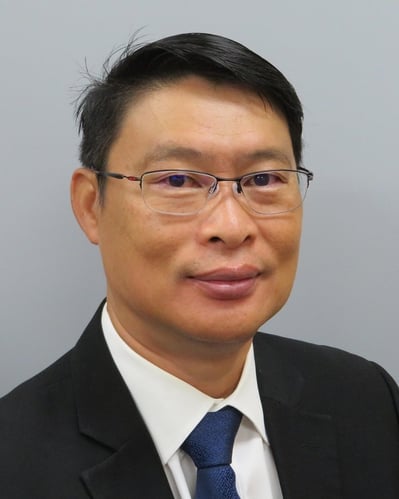
The pursuit of convenience, or rather the battle between consumer convenience and security has been at the centre of the discussions that determine how secure we are against cyber threat, as organisations, individuals, and societies. Those on the front lines of protecting business and society from cyber threat are well aware, that a balance must be struck between the two, and many, particularly in retail and commercial sectors will admit that convenience will almost always prevail. Convenience is what their customers demand, and customer demand is the key pressure that shapes overall development, not just security. The roll out of 5G networks should be a game changer in this discussion, says CISO 360 speaker Chuan-Wei Hoo, Chief Information Security Officer (CISO) of ST Engineering, as he suggests security leaders should be focusing on shaping that consumer demand, not just protecting it.
“As professionals we often preach CIA (confidentiality, integrity and availability, also known as the CIA triad) to business and IT practitioners but we need to push these ideas much further than this. It needs to become instinctive for all,” he says, emphasising that “in the 5G era everyone must understand and drive demand for the security that will underpin the promise of this fast-paced world. The threats will come too fast and furious, otherwise.”
Security professionals will also have to prepare for the much-anticipated impact of 5G as it provides the opportunity to fundamentally change operating environments at an even faster pace than the current proliferation of IoT, and IIoT (Internet of things; Industrial IoT).
“We are already worried about things like runway lights, fridges, and connected, medical record-laden tablets on hospital trolleys. These will create a perfect storm for threats to overwhelm us when 5G arrives with the speed of new connections, including machine- to-machine, vehicle-to-vehicle connections, and more” he describes. “We need to go right back to the fundamentals of design from product to architectures. We are going to need plug and play, scalable architectures, perhaps a framework that vendors can support and work to so they can be compatible, and more.”
Chuan-Wei will be presenting his overall vision and opening a dialogue covering the layers of development that security practitioners should engender on the road to 5G at CISO 360 Asia Oceania, in Singapore September 25-26.
Significant security developments he would like to see ushered in with 5G, include widespread adoption of the ‘zero-trust’ approach to networks, and data diodes (traditionally used within high-security environments) to negate the need for active firewall management and get away from the over-reliance on heuristics. Given the speed of 5G technology and the development of its impact, his main message is that everyone, not just the professionals, will have to be an active participant in assuring and preserving its security, so that the “convenience agenda” can flourish.
“Today, we are all guilty, even those of us that work in this field, of doing cybersecurity only during office hours and then we go home and forget all the rules, because everything has developed with an emphasis on convenience, particularly for the home environment,” he describes, “ but those who are demanding it, should be equipped with a clear understanding of what they have, how and why they value it, and what they expect from it. Appreciating and anticipating the threats should become second nature to all.”
This aim, one that we all know security professionals have long worked to achieve, has motivated the development of a whole industry in employee awareness, alongside many public awareness programmes, including (ISC)2’s Safe and Secure Online for school children for which Chuan-Wei is an active volunteer. Such programmes are increasingly recognised as valuable within our community, known for being highly motivated to give back to society. And while much progress has been made with them, their existence hasn’t yet settled the nerves of the professionals that are advocating them. For Chuan-Wei, they are part of a long-game that he would like more, even all professionals to engage in.
“We need a consumer revolution: The professionals can make this happen. We have seen cycles where a lack of awareness has allowed things to develop insecurely, and the threats has later motivated people to accept the need for security,” he says, “but people then became complacent or believe that the security has been included. This is why I think we now need to help them appreciate the principles—CIA is not just for the professionals,” he emphasises again, suggesting that it is something that can be taught in schools, become part of the public service message. “Everyone should appreciate it within the context of their data, their homes, their services, etc., so they can assess it for themselves, and be more active.”
Keen to emphasise that he is not an expert in 5G, Chuan-Wei says that he is speaking about the arrival of 5G networks from the perspective of a consumer. He is, of course, no ordinary consumer, and brings the perspective that comes from someone who appreciates the inherent threats that come with the opportunities he is tasked to protect—a perspective that he hopes can, one-day, be considered ordinary. I hope so too.
The conversation is set to continue at the upcoming CISO 360 Asia in Singapore this September, part of the international CISO 360 series of conferences that are developed and hosted by Pulse Conferences. Join us if you can. The more experience, the closer we get to resolution and move the agenda forward as communities.
Innovation Management: Learning How to Fail is the CISO’s Advantage
By Dr. Viktor Polic, CISO, Head of Information Security and Assurance Services, International Labour Organization and Computer Science professor at Webster University Geneva
Innovating at work. This is probably something we are encouraged to do as individuals from the moment we accept our first post of employment. It’s not however something we are inherently supported to do; ironically the traditional hierarchical structure of the mainstream workplace effectively discourages most individual contributions to meaningful innovation. Fortunately, digital development is turning this on its head as it gives more and more people the visibility, connections and tools to be innovators for their organisations. For those of us working in information and cybersecurity particularly, we have a huge opportunity to lead the way.
Gone are the days where we need to be assessed as the naysayers. Our position in the midst of the assessment of risk, the review of product roadmaps and the like, and the resolution of crises actually positions us to become leaders within our organisations in the effort to embed innovation processes throughout. Many of us in the CISO community can see the value of the CISO’s dataset for the organisation as a whole. With the application of a little ‘design thinking’, I believe we can recognise and take advantage of it more fully.
It starts with a change of mindset, particularly in the assessment of what we do, to create a culture of management that truly appreciates innovation. People need to be confident that it is ok for them to try and fail with their projects, and to admit that they lack knowledge. Their effort should in fact be fully recognised as the pursuit of knowledge, particularly in the midst of disruptive change that most companies are now beginning to accept. The setting of goals and metrics must have failure written in to them and above all we need to get away from the concepts of absolute success or failure. Outcomes are never so black and white. Every outcome contributes to the digital transformation process that we are all undergoing at the moment.
Measuring the Real Value
Consider the development of Artificial Intelligence (AI) today. It is perhaps the most obvious example of the challenge we face in acting as innovators. Ninety-nine percent of us can claim that we are using some form of AI in information security solutions but very few understand the process of innovation well enough to be happy to apply it to risk management. We remain in the early stages of acceptance, particularly in the reliance on AI to make judgement calls, even though we know that as humans, we can’t possibly work with as much information as AI can, as much information as we have thrown at us every day. It’s the early adopters that are trying it out and pushing this level of development forward. Failures are inevitable while the value in what is learned along the way is immense.
The bad guys are exploring and being innovative as well. CISOs have a very structured way of looking into threats, which creates the game of cat and mouse that is so common for us all. While our community remains focused here, early adoption of new technologies such as deep fake, are fundamentally changing the game. Not every attack succeeds, but every success undermines trust. Failure is the cost to achieving the outcome.
Creative Confidence
In my career, initially in developing and integrating business systems and for the last 15 years within information security, I have built dynamic teams that can break out of their organisational siloes to drive and maintain this culture of innovation. Part of this effort has been a defined focus on innovation management—in terms of talent, goals, resources, communications—as an embedded aspect of the development of our Information Security Management Systems (ISMS). A key aspect comes from understanding how to communicate so-called ‘failures” to the investors and business champions. Not every innovation is a success, but there is always creative value to be realised. Understanding and assuring confidence in this value underpins the capacity to truly become an enabler.
There is a growing body of references for design thinking that can guide the development of your overall process from how to secure funding and business adopters, to the drafting of concrete steps, the development of innovation workshops, and tactics to help people who may not be focussed on your project understand and contribute in a meaningful way. Across organisations, particularly larger ones, the process inevitably leads to discovery and motivation of input from subject matter experts and others that can bring significant value. As a member of Swiss Silicon Valley Association, I had a chance to visit Stanford University’s Dschool back in 1993 where I discovered the Design Thinking Bootleg which remains my favourite source of inspiration.
My current effort builds on the concept of open data, to create an “open innovation” approach within my organisation. It is being developed using internal crowd -sourcing techniques and a ticketing system that allows anyone the opportunity to contribute, not just the people on my team or formally associated with the listed projects. It works to attract very practical questions and levels of insight, from the administrative to the strategic.
I count myself as lucky to be working within an organisation that allows such initiative and hope to see more organisations do the same. I am sharing my own experience in the belief that my professional colleagues in cyber and information security are well positioned, even competitively positioned to make this happen.
The conversation is set to continue at the upcoming CISO 360 Asia in Singapore on 25-26 September at The Westin Singapore, part of the international CISO 360 series of conferences that are developed and hosted by Pulse Conferences. Join us if you can. The more experience, the closer we get to resolution and move the agenda forward as communities.
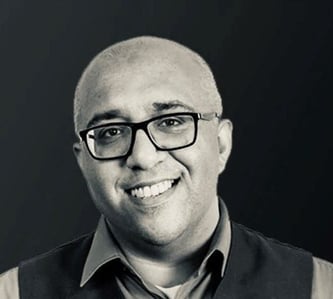
A Chat with IBM’s Manan Qureshi on Achieving Resilience Posture
Written by our inhouse editor, Lyndsay Turley, an experienced communicator and cybersecurity advocate.
Often when I speak to people about their initiatives, I wonder why what they are working so hard to build doesn’t already exist. This is particularly true with people working to advance cybersecurity as, despite higher-than-ever mainstream appreciation for the risks, they still struggle to gain support for what strikes me as obvious.
“We all understand that too many organisations are stuck in a reactive resilience posture; Organisations are geographically dispersed; They don’t have the visibility to do proper GRC. There is no single point of failure that can be easily identified, ”describes IBM’s Manan Qureshi, who is preparing to share various case histories of building cyber risk frameworks at the Pulse CISO 360 Asia & Oceania conference this September.
Manan has been embedding the management of cyber risk within enterprise and operational risk frameworks for many years, working within financial services, mining, manufacturing and now many others following his recent move to take on the opportunity of leading IBM’s Cyber Resilience Consulting practice in the AsiaPac region. Speaking with Manan, I get the impression his current role can be likened to an initiative designed to broaden the approach to cyber risk management. While he agrees that it can feel like he is on a mission to implement the obvious, it doesn’t mean it is an easy one.
“When I talk to clients, they often have no idea that they have a need for this: Everything is managed, but it is not glued together. This means there are only islands of resilience.”
His mission is also simple to articulate – the convergence of understanding of organisational risk within a single management framework; the elements needed for it, clear – a common taxonomy; standard operational procedures that are well connected, mechanisms for assessing the qualitative and quantitative impacts, and the like. The journey less clear for many.
“Organisations are living beings that evolve over time: Gaps are constantly opening up,” he continues. “We have developed the technical ability to identify what is happening, and the capacity to monitor. Now it’s time for the hard part, aligning the organisation itself to develop that cohesive landmass, that cultural awareness that acknowledges the importance of what needs to be done so it isn’t written off as a nuisance or add on.”
Manan emphasises that he is not talking about replacing one approach over another but rather pulling the stakeholders together to discover the common concerns that are “always present” in disparately managed areas– physical, IT, operational, privacy, reputation, etc.
“So why hasn’t it been done already?” I ask.
“Organisations didn’t have the right paradigm to make it happen,” he responds. This is what is changing, not what needs to be done necessarily but the context in which we are working. In the end it is a cultural change,” he says, explaining that so many organisations are pushing the ‘reset’ button on just about everything as they struggle with the levels of disruption that digital capabilities have brought to their markets.
A New Context
Opportunity comes in the midst of this disruption: “Transformation is a very heavy word,” he says expressing concern that it has taken on a buzzword quality. “But I can see that organisations are admitting that their traditional siloes aren’t working as they focus on developing digital capabilities and move beyond the skin-deep, digital front-end to reinvent the company. It’s a three to five-year evolution, which also provides a new context – broad mandate – for assessing operational risks.
“As ever, we need to develop an appreciation for what the organisation wants, to be able to package what we do and present it in that context, including the financial impact, but we now have a real opportunity to embed it properly under the umbrella of risk,” he says.
The journey involves identifying existing, relevant siloes of management; acknowledging and debunking the well-established belief that some central security or risk department is managing their risks already; and then involving – via committee or some other independent mechanism, all those with an interest, whatever the business unit, in the construction and management of an overarching view.
“There are elements of audit, compliance, the Board, business units, not just security interests. It is different for every industry and every organisation,” he describes. “Everyone’s participation is essential to ensure an understanding of the objectives within the context of the transformation that all are working toward. This is why buy-in from the very top is essential.”
Manan’s message strikes a chord with me. The inability to break through organisational siloes was a constant theme coming out of this year’s CISO 360 Congress in Rome, from the gaps in addressing cyber physical risk to the management of AI and robotics, and the unprecedented levels of change hitting the CISO community today. Repeatedly, organisational siloes were identified as a barrier to progressing what was deemed to be obvious. I expect this conversation to continue for some time.
The conversation is set to continue at the upcoming CISO 360 Asia in Singapore on 25-26 September at The Westin Singapore, part of the international CISO 360 series of conferences that are developed and hosted by Pulse Conferences. Join us if you can. The more experience, the closer we get to resolution and move the agenda forward as communities.
Making Cyber Instinctive on the Road to 5G:
Interview with Chuan-Wei Hoo, CISO, ST Engineering
Written by our inhouse resident editor, Lyndsay Turley, an experienced communicator and cybersecurity advocate for over 15 years.
The pursuit of convenience, or rather the battle between consumer convenience and security has been at the centre of the discussions that determine how secure we are against cyber threat, as organisations, individuals, and societies. Those on the front lines of protecting business and society from cyber threat are well aware, that a balance must be struck between the two, and many, particularly in retail and commercial sectors will admit that convenience will almost always prevail. Convenience is what their customers demand, and customer demand is the key pressure that shapes overall development, not just security. The roll out of 5G networks should be a game changer in this discussion, says CISO 360 speaker Chuan-Wei Hoo, Chief Information Security Officer (CISO) of ST Engineering, as he suggests security leaders should be focusing on shaping that consumer demand, not just protecting it.
“As professionals we often preach CIA (confidentiality, integrity and availability, also known as the CIA triad) to business and IT practitioners but we need to push these ideas much further than this. It needs to become instinctive for all,” he says, emphasising that “in the 5G era everyone must understand and drive demand for the security that will underpin the promise of this fast-paced world. The threats will come too fast and furious, otherwise.”
Security professionals will also have to prepare for the much-anticipated impact of 5G as it provides the opportunity to fundamentally change operating environments at an even faster pace than the current proliferation of IoT, and IIoT (Internet of things; Industrial IoT).
“We are already worried about things like runway lights, fridges, and connected, medical record-laden tablets on hospital trolleys. These will create a perfect storm for threats to overwhelm us when 5G arrives with the speed of new connections, including machine- to-machine, vehicle-to-vehicle connections, and more” he describes. “We need to go right back to the fundamentals of design from product to architectures. We are going to need plug and play, scalable architectures, perhaps a framework that vendors can support and work to so they can be compatible, and more.”
Chuan-Wei will be presenting his overall vision and opening a dialogue covering the layers of development that security practitioners should engender on the road to 5G at CISO 360 Asia Oceania, in Singapore September 25-26.
Significant security developments he would like to see ushered in with 5G, include widespread adoption of the ‘zero-trust’ approach to networks, and data diodes (traditionally used within high-security environments) to negate the need for active firewall management and get away from the over-reliance on heuristics. Given the speed of 5G technology and the development of its impact, his main message is that everyone, not just the professionals, will have to be an active participant in assuring and preserving its security, so that the “convenience agenda” can flourish.
“Today, we are all guilty, even those of us that work in this field, of doing cybersecurity only during office hours and then we go home and forget all the rules, because everything has developed with an emphasis on convenience, particularly for the home environment,” he describes, “ but those who are demanding it, should be equipped with a clear understanding of what they have, how and why they value it, and what they expect from it. Appreciating and anticipating the threats should become second nature to all.”
This aim, one that we all know security professionals have long worked to achieve, has motivated the development of a whole industry in employee awareness, alongside many public awareness programmes, including (ISC)2’s Safe and Secure Online for school children for which Chuan-Wei is an active volunteer. Such programmes are increasingly recognised as valuable within our community, known for being highly motivated to give back to society. And while much progress has been made with them, their existence hasn’t yet settled the nerves of the professionals that are advocating them. For Chuan-Wei, they are part of a long-game that he would like more, even all professionals to engage in.
“We need a consumer revolution: The professionals can make this happen. We have seen cycles where a lack of awareness has allowed things to develop insecurely, and the threats has later motivated people to accept the need for security,” he says, “but people then became complacent or believe that the security has been included. This is why I think we now need to help them appreciate the principles—CIA is not just for the professionals,” he emphasises again, suggesting that it is something that can be taught in schools, become part of the public service message. “Everyone should appreciate it within the context of their data, their homes, their services, etc., so they can assess it for themselves, and be more active.”
Keen to emphasise that he is not an expert in 5G, Chuan-Wei says that he is speaking about the arrival of 5G networks from the perspective of a consumer. He is, of course, no ordinary consumer, and brings the perspective that comes from someone who appreciates the inherent threats that come with the opportunities he is tasked to protect—a perspective that he hopes can, one-day, be considered ordinary. I hope so too.
The conversation is set to continue at the upcoming CISO 360 Asia in Singapore this September, part of the international CISO 360 series of conferences that are developed and hosted by Pulse Conferences. Join us if you can. The more experience, the closer we get to resolution and move the agenda forward as communities.
With thanks to our sponsors
Sponsors





PLATINUM PROTECTOR
Sponsors – CISO 360 Series
Speakers
If there is someone you would like to see speak or if you are interested in speaking please let us know teampulse@pulseconferences.com.
CISO 360 Asia & Oceania Chaired by
Marcus Alldrick
Digital Risk Management, Security and Compliance Advisor
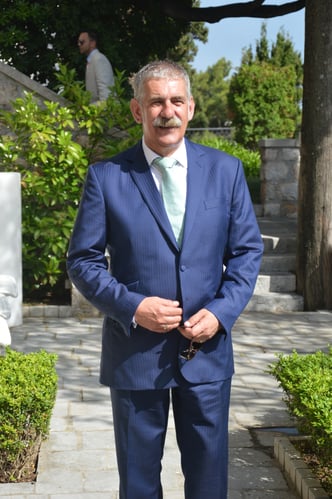
Born at a very early age and growing up in a culture where cyber was a prefix for anything automated, menacing and malevolent (how history has a tendency of repeating itself), Marcus entered the world of Data Processing as it was known back then after graduating from university. Lured by the flashing console lights (it was also the disco era), the whirl of the magnetic tape and the click clack of the keypunch machine (TSO was still a dream), Marcus became a COBOL programmer, becoming prolific in Michael Jackson’s structured programming methodology (who would have known what future lay ahead for Michael). Having moved into analysis and then data architecture Marcus became the first devolved Information Risk and Security Manager for Barclaycard. After seven years in that role he moved banks and became Head of Information Security for Abbey National plc, now Santander UK. After six years at Abbey and a move into consulting for a large UK utilities company Marcus joined KPMG as a Principal Advisor. Eighteen months later he joined Lloyd’s of London as its CISO and subsequently became its Head of Digital Risk Management and Compliance, also embracing responsibility for data protection and privacy, during his 10 years tenure there. Having worked in IT for over 40 years, specialising in information risk, protection, security and compliance for the latter 27 years or so, Marcus decided to leave full-time corporate life and move to the South Coast of England in mid-2017, ever the seafaring Fisherman’s Friend. As well as being a proud member of the Pulse Conferences family, Marcus now undertakes advisory engagements, provides pro bono consulting and volunteering services and sits on the Cymmetria Advisory Board as Chief Risk Officer.
International speaker panel
Enquire about becoming a speaker
We are always looking for:
- keynote insights, cutting-edge ‘live’ demos
- new best practice corporate case studies, fresh ideas, forward thinking topics on security and governance matters
- sessions with actionable takeaways and positive contributions to the output reports
- the world’s smartest thinkers and doers in security, cyber, privacy, resilience, risk, governance, compliance
We welcome your input into shaping the agenda and speaker panels.
Our programmes are highly researched with practitioners who do the job day in and day out. They are organic to ensure that we remain agile to meet the most current requirements.
For further information, please contact Sara Hook
+44 (0)20 7936 8989 or sara.hook@pulseconferences.com
Alex Quintieri
Group CISO, FWD Insurance (Hong Kong)
Aloysius Cheang
Board Director and Executive Vice President for Asia Pacific, The Centre for Strategic Cyberspace + International Studies (Singapore)
Aloysius Cheang is a senior corporate executive with extensive experience running global businesses. In his line of work, he had managed large multi-cultural, multi-disciplinary team spread across 5 continents and 4 major time zones in a highly heterogeneous and demanding environment, many a time building up the business from scratch. Aloysius is Board Director and EVP Asia Pacific for globally respected not-for-profit UK based cyber leadership think tank, the Centre for Strategic Cyberspace + International Studies (CSCIS). He is also a Director with AC3Labs where he provides his expertise advising companies in emerging technology projects, framework agreements and investment and a Co-Founder of IoT security startups, iSyncGroup Technology Inc and Doqubiz Technology Inc. Aloysius was most recently Co-Founder, EVP and Managing Director for the Cloud Security Alliance Asia Pacific. As a globally recognised cybersecurity expert and influencer, Aloysius’s professional opinions and viewpoints are highly valued by major media globally such as the BBC, Times, Wall Street Journal, ZDNet, CIO-Asia, IDC, Xinhua News, Phoenix News, CCTV, The Hindu, The Times of India, The Daily Star, China Times, Digitimes, UDN, SCMP, The Nation, Bangkok Post, Zaobao, Today, The Straits Times and CNA.
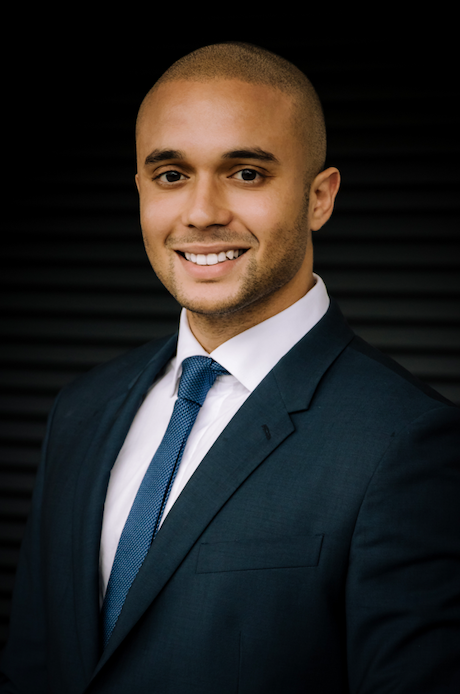
Cesar Cabrera
Manager, Darktrace
Cesar Cabrera is a Manager at Darktrace, responsible for increasing the adoption of Darktrace’s award-winning Enterprise Immune System. He engages with CISOs and IT experts to understand their security challenges and address how the Enterprise Immune System provides a unique approach in detecting advanced persistent threats, insider attacks and other live threat scenarios. Prior to joining Darktrace, Cesar worked at World Fuel Services and started his career in the Financial Services Industry, working for Citigroup and Bank of America Merrill Lynch. He holds a BA in Psychology from Columbia University in the City of New York.
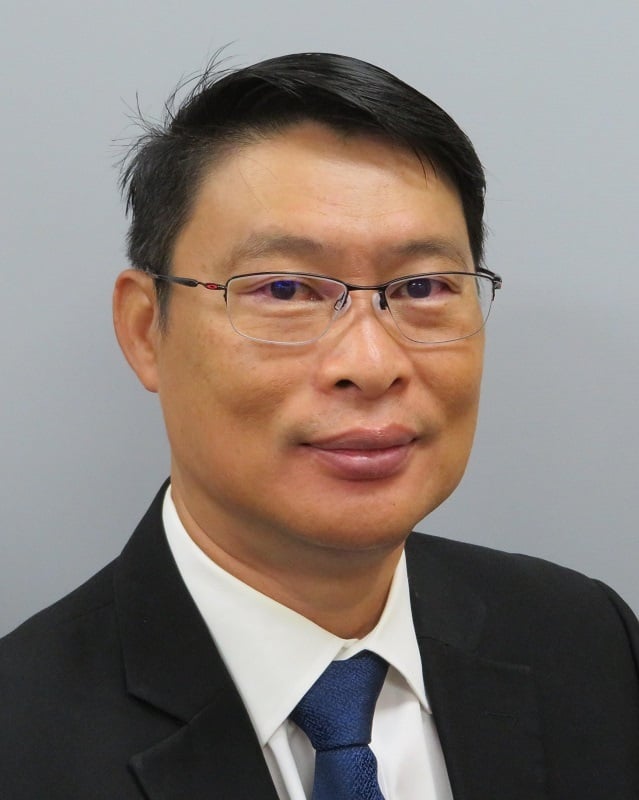
Chuan Wei Hoo
CISO, ST Engineering Ltd (Singapore)
Hoo Chuan Wei enjoys working with both MNCs and the public sectors to help strategise cybersecurity architecture and solutions. With more than 20 years of regional experience in information security and telecommunications, banking and the information technology sectors, he is dedicated to provide advice from both an advisor and practitioner perspective. As an active speaker, he is also an adjunct lecturer with Nanyang Technological University (NTU), Institute of Systems Science-National University of Singapore (ISS-NUS) and Temasek Polytechnic, authorised instructor with (ISC)² and a guest lecturer with the Business Continuity Management Institute. He serves as an authorised instructor and a Technical Advisor for (ISC)² APAC. (ISC)² is an international non-profit membership association (International Information Systems Security Certification Consortium) focused on inspiring a safe and secure cyber world. BCCE, CFE, CISA, CISSP, ITIL
2010 IDG Chief Security Officer (CSO) ASEAN Awards
2012 ISC2 Asia-Pacific Information Security Leadership Achievements (ISLA) honoree
2012 ISC2 Asia-Pacific Community Service Star – special recognition for the most outstanding honoree
2013 ISC2 Asia-Pacific Senior Information Security Leadership Achievements (ISLA) honoree
2014 ISC2 Asia-Pacific President’s Award honoree
Specialties: Computer forensics investigation, Audits, IT Security Consultancy, Project Management, Information Security Management
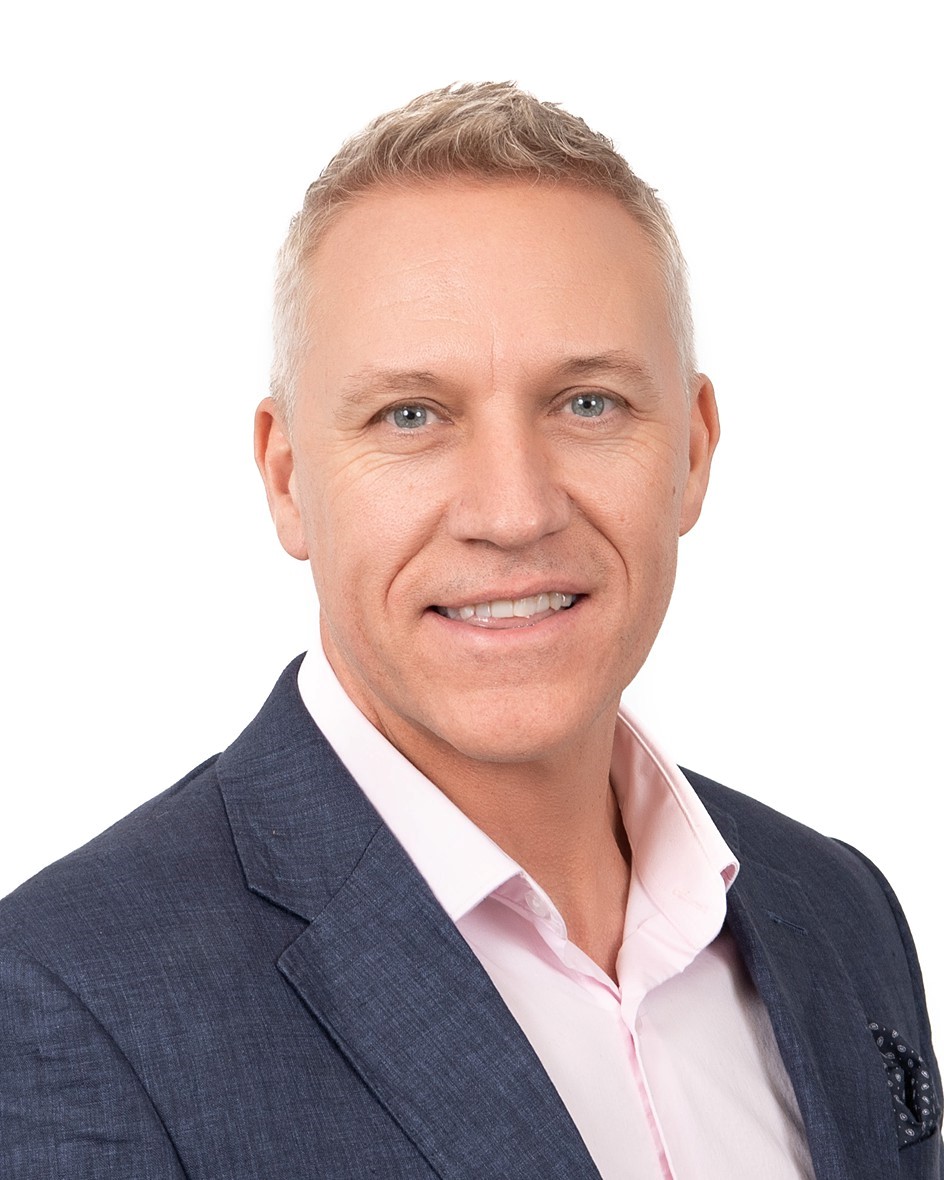
Darren Argyle
Global CISO for Client Services, Business Lines - Managing Director, Standard Chartered Bank Singapore
Darren is an accomplished executive with close to 20 years international cyber risk and security experience. He was recently appointed as Ambassador for the Global Cyber Alliance in recognition of his collaborative work advising small businesses on critical measures they can apply to defend against cyber-attacks. Darren is also currently serving on the executive advisory board for cyber at Australia’s Deakin University and is the Global CISO for business lines at Standard Chartered Bank, based in Singapore.
He is the former Group Chief Information Security Officer (CISO) at Qantas Airlines and, before coming to live in Australia, the former Chief Security Officer at IHS Markit, a global FinTech headquartered in the UK. He has also held various senior international cyber security leadership roles at Symantec and IBM.
In 2016, Darren featured on the front cover of SC Magazine (an award-winning cybersecurity media publication) then, in 2017, was named in the top 100 Chief Information Security Officers globally, and, in 2018, was listed in the top 100 IT security influencers globally.
This year he co-founded and launched a new business called Cyber Resilience, which delivers executive cyber leadership programs to support the next generation of cyber leaders and emerging CISO’s. www.cyberresilience.com.au
Darren can be found online on Twitter D_Argyle and LinkedIn https://uk.linkedin.com/in/darrenargyle
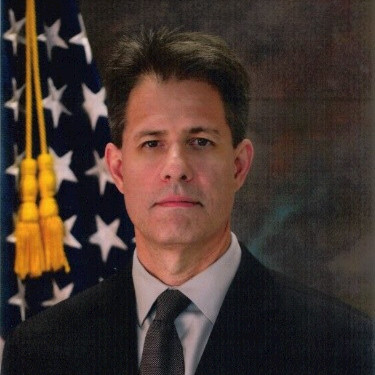
David Smith
Retired FBI Agent and Frmr Regional Intelligence Manager - APAC South, The Walt Disney Company
Retired FBI Agent with over 25 years of Federal Law Enforcement experience including over a decade working in Southeast Asia as the FBI Attache to Indonesia, Malaysia, and Singapore. He has extensive experience working corruption, terrorism, fraud, and intelligence matters. Mr Smith was awarded the FBI Director’s Award for Excellence in 2017, the National Intelligence Medal Unit Citation, and the US Attorney General’s Award for Distinguished Service in 2018.
David Kennedy
Group Chief Information Officer, Transaction Services Group
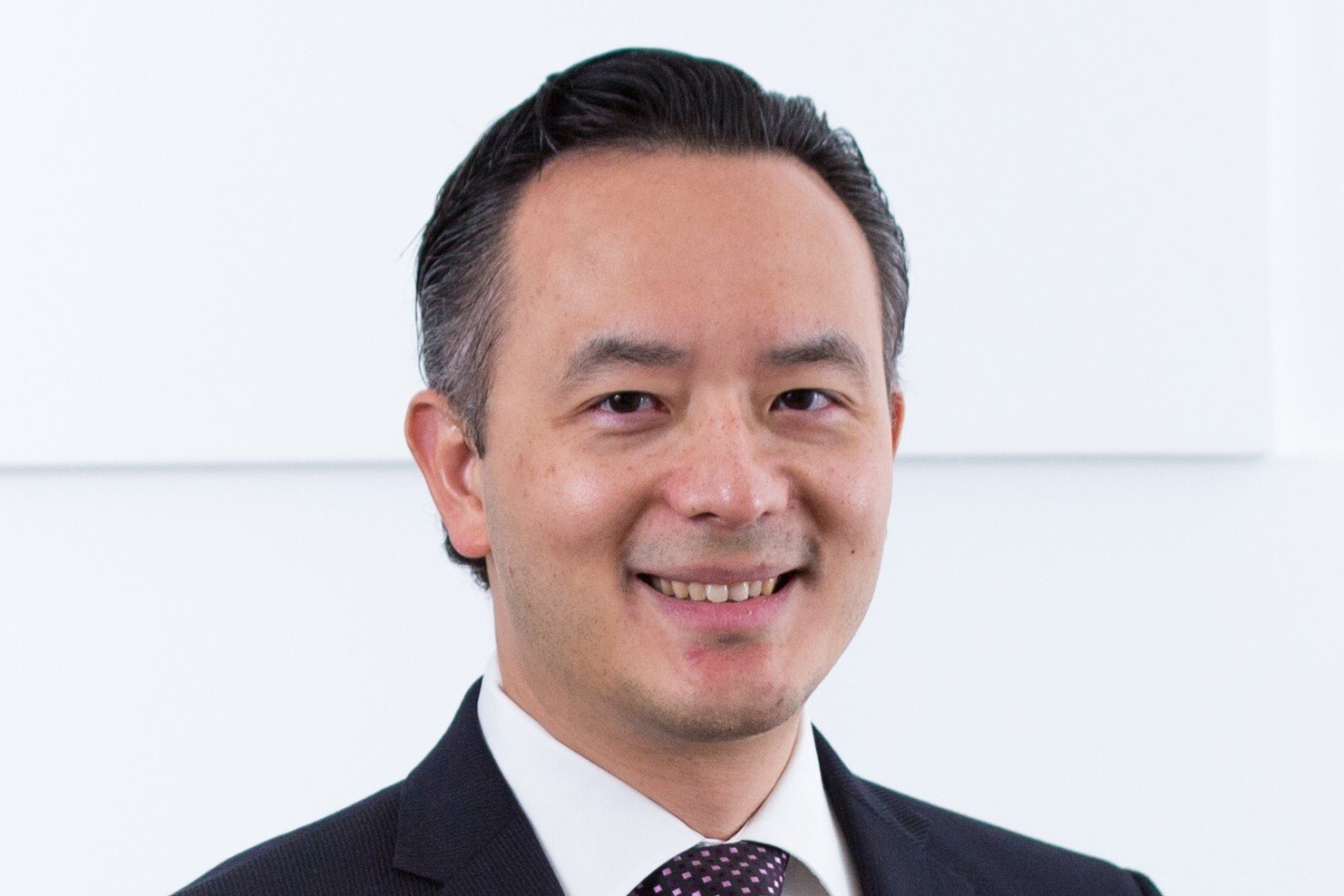
Daryl Pereira
Partner, Head of Cybersecurity Consulting, KPMG Singapore
Daryl is Partner and Head of the Cybersecurity Consulting practice at KPMG in Singapore. He leads a team focusing on cyber security, IT risk management, outsourcing governance, cyber resilience, and privacy laws. He has over 23 years of consultancy and industry experience helping clients with their strategic change and risks by working at the intersection of business and technology.
Before joining KPMG, Daryl spent 9 years in investment banking in Australia and Singapore where he led various functions including information security governance, IT programme governance, COO business management, and IT internal audit. Prior to this, he also worked as an IT Consulting Manager with Big 4 firms in Australia.
Daryl is the Past President of ISACA Singapore, the international professional association for cyber security and IT risk professionals. He is certified as a CISM, CISA, CRISC, and CPA (Australia), and holds a MBA from Manchester Business School and a Master of Information Technology from the University of Canberra.
Edvinas Pranculis
Vice President, Global Sales Operations, Data Protection Officer (DPO), SOC Prime Inc. (Lithuania/ U.S.)
Edvinas Pranculis is a business management professional, who has helped a number of local and international companies develop new lines of business, penetrate new markets and ensure strong business growth. With 15+ years of experience in IT service and information security management he has repeatedly demonstrated his qualities of a pragmatic problem solver and a critical thinker. Edvinas earned his Master of Management (MM) degree in BI Norwegian School of Management and ISM University of Management and Economics and also holds recognized CISA, CISM, CRISC and ITIL certifications.
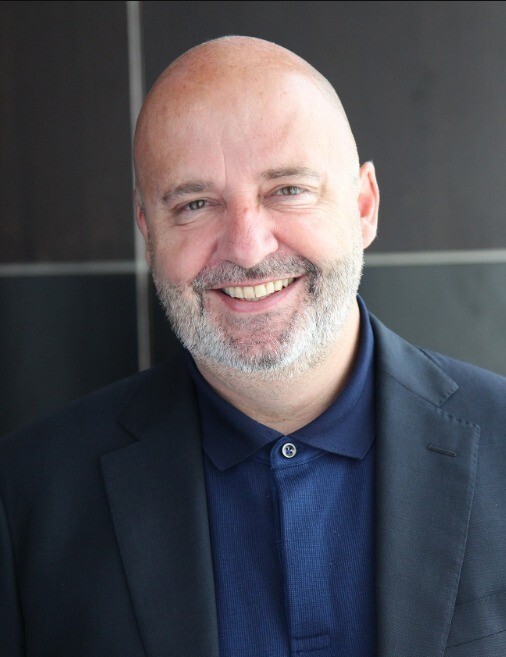
Gerry Sillars
Vice President of Asia Pacific, Skybox Security
Gerry Sillars is the Vice President of Asia Pacific at Skybox Security, a global leader in cybersecurity management. In his role, he heads the APAC operations, focusing on the continued expansion of Skybox’s footprint in India, ASEAN, Japan, Korea and Australia, while evolving the company’s channel business. Sillars is also responsible for increasing hiring in APAC to further support the needs of customers and build on the company’s foundation of business. In addition, he aims to expand regional distribution through resellers, system integrators, and managed security service providers. Sillars has more than 15 years of experience building scalable software businesses in APAC. Prior to joining Skybox, he had played pivotal roles in companies such as CommVault Systems, Alcatel Lucent, and UpGuard. Specifically at CommVault, he built the company’s presence in Australia and New Zealand, and went on to solidify the business in Asia—driving significant double- and triple-digit growth during his tenure. Sillars also served as the worldwide Vice President of CommVault’s Cloud Solutions Group in his last two years with the company. During which, he established a Global Systems Integrator (GSI) group in India, building the regional cloud and GSI business from the ground up. Sillars lives in Singapore and is married with one adult son.
Dr Guan Seng Khoo
Board Adviser, Fintech Companies (Former Head of ERM/GRC, Alberta Investment Management Corporation - AIMCo) (Singapore)
Dr Guan Seng Khoo has over 28 years’ of experience in the design and implementation of enterprise wide investment, banking and risk management models, systems and processes. He gained deep practical insights from a career spanning across financial institutions in the USA, Canada, UK and Singapore, including the Man Group where he was the Principal Scientist, designing and running an algorithmic AI-based hedge fund, at American Bourses Corporation which provided robo-based analytical solutions and financial info-utilities to traders and investors in the USA and N Asia, at ATOS Origin, RHB Capital, Singapore Exchange, Standard Chartered Bank, Temasek Holdings, Alberta Investment Management Corporation and CAI, the global airport investment arm of Changi Airport Group (CAG). Dr Khoo holds a PhD in Computational Physics (Material Science) from the National University of Singapore, with post-doc R&D in AI-based data mining and applications in Japan and America. He recently spoke at the 8th World Pensions Forum in Brussels (May 23-24, 2019) on “AI applications in Investment Management and Late Stage Venture Investing”. Currently, he also advises and teaches on Digital Risk Management, encompassing infosecurity, data lifecycle and governance, incl. data loss prevention, privacy and other related op risk areas, to banks, asset management firms and government agencies in SE Asia.
Ian Farquhar
Director, Worldwide Security Architecture Team, Gigamon
Ian has worked in IT Security for over 25 years and has built his career with large organizations such RSA/EMC, Cisco, Sun MicroSystems, Silicon Graphics/Cray Research and Macquarie University. Ian is the worldwide security subject matter expert at Gigamon and leads the worldwide security team of specialist sales engineers. He and his team works closely to evaluate and engage with customers whose security needs require a deep level of expertise. He is a key contributor to guiding the development of of next-generation security solutions and capabilities, working closely with the teams from product management and engineering. Ian has had experience designing, deploying and evaluating network security architectures in government agencies, enterprises and service providers worldwide. Ian is based in Sydney, Australia and has a B.Sc degree in Computer Science from Macquarie University.
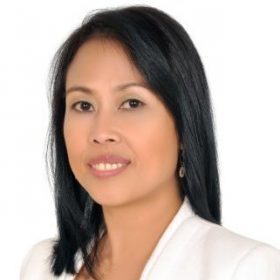
Irene Corpuz
Manager, Strategy and Future Department, HCT – UAE Government Entity (UAE)
Irene is responsible for the execution of the ADSIC Information Security Programme, Security Governance, Risk and compliance to IT Security Policy. She offers 27 years of combined and diverse experience in IT (Security, Operations and Strategy), Quality & Excellence. She has worked in various industries and region and led strategic initiatives in Asia, Middle East, Europe and America. An emerging seasoned speaker on Information and Cyber Security Conferences, Irene has spoken in a number of conferences in Asia, Middle East and Europe. Irene acquired her Masters of Science in IT from University of Wales, and holds the following certifications: ITIL V3, PMP, ISO (QMS and 27k) Lead Auditor and EFQM Assessor.
Jenny Reid
Director, iFacts
Jenny Reid is the CEO of iFacts, one of the leading online employee screening & engagement service providers in South Africa today. Based on the premise that removing the people risk will ultimately help organisations to prosper, iFacts ensures that companies thrive with honest, ethical and productive employees and services providers.
In 1995 Jenny joined the security industry at an investigations firm, where she was ultimately appointed as Managing Director. During this time she was also the first woman to ever be appointed as President of the Security Association of South Africa. iFacts started in 2001 and Jenny bought it out 100% in.
Never content to rest on here laurels, Jenny has taken the iFacts brand to new heights and is constantly looking for new and innovative ways to ensure companies maintain true value in their organisation and enhance it.
Jenny’s strong leadership style and outspoken views on corporate crime and political corruption have made her a highly sought after local and international conference speaker and NLP coach. She is also part of the Cheri Blair Foundation Mentee Alumni.
Jenny is also the founder of Adventures for Love, an organisation made up of like-minded women who embark on a number of physical adventures around the globe to raise awareness and funds for various charities and conservation efforts. Jenny lives in South Africa with her husband, Neil.
Kevin Austin
Director Information Security, Intercontinental Exchange
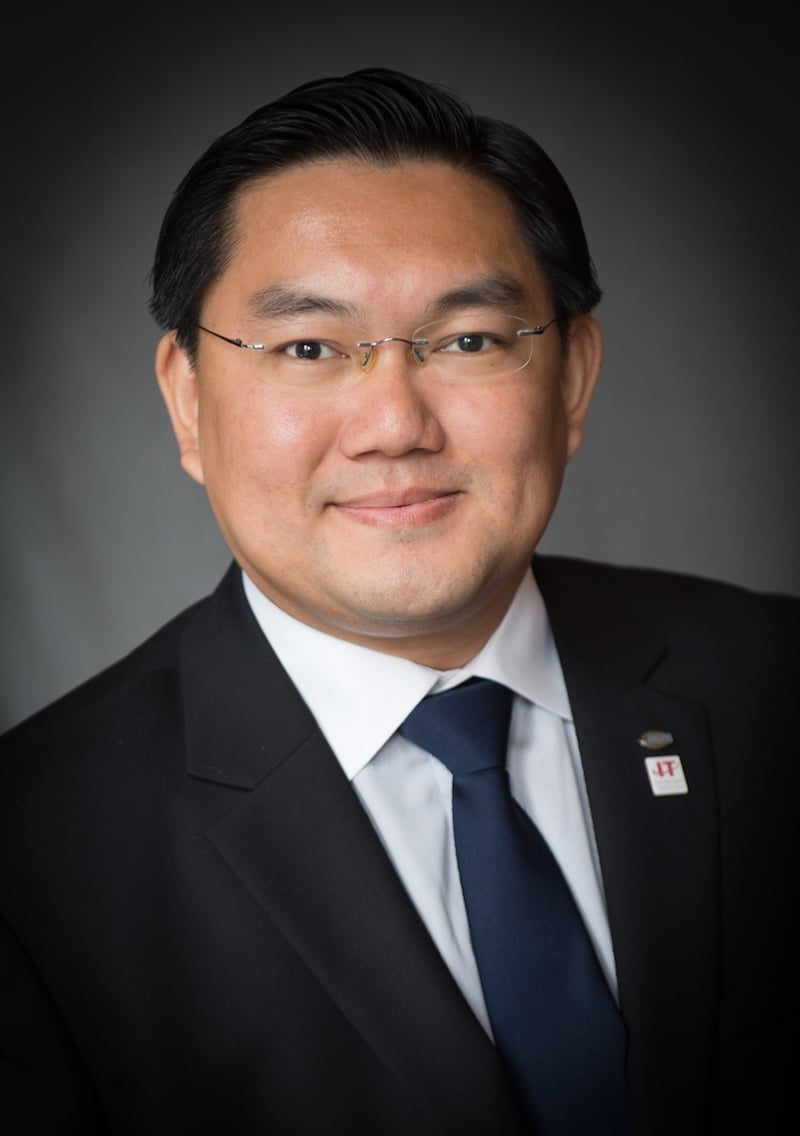
Leonard Ong
Group Chief Information Security Officer, Fullerton Health (Singapore)
Leonard has over 19 years of experience in Information, Cyber and Corporate Security gained in telecommunication, enterprise, banking, pharmaceutical and healthcare industries. He is the Group Chief Information Security Officer for Fullerton Health, a leading vertically integrated healthcare platform in the Asia Pacific region. Prior to this, he led Governance, Risk Management, Compliance (GRC) service for Asia Pacific region in MSD International (also known as Merck & Co., Inc.). In his earlier career, He was with Barclays Capital as the Head of Global Information Security Risk & Operation, Asia pacific. Leonard has been volunteering in a number of security associations since 2003. His longest service is with ISACA Singapore Chapter where he has been elected as Chapter President for two consecutive terms. Leonard has also served ASIS International Chapter as Honorary Chairman for 3 years. He is still serving in various councils and committees at global level. Leading information security associations, such as (ISC)2 and ASIS International, have recognized his efforts. He was awarded Information Security Leadership Achievement (ISLA) in Senior Information Security Professional category in 2011 and Professional Certification Board (PCB) Regional Award in 2014. Previously, National Infocomm Competency Centre (NICC) has awarded Leonard with ‘IT Specialist of the Year’ in 2005. He was instrumental in achieving K. Wayne Snipes 2013 award for ISACA Singapore Chapter being the best very large chapter in Asia. International Data Group (IDG) and CEO|CIO Club recognized Leonard with Chief Security Officer (CSO) ASEAN Honoree award in Hanoi, Vietnam on 16th September 2015. Following that, in 2016, He was presented with ISACA’s Paul Williams Award for Inspirational Leadership. Leonard holds Master of Computing from National University of Singapore (NUS) and Bachelor of Engineering, Industrial Engineering from Universitas Trisakti. Leonard regularly delivers presentations in the region and beyond.

Linda Nguyen Schindler
Programme Head, Innovation Cybersecurity Ecosystem (ICE71)
Linda is the Programme Head of ICE71 (Innovation Cybersecurity Ecosystem at BLOCK71), Asia Pacific’s first cybersecurity entrepreneur hub (a joint initiative by Singtel Innov8 and NUS Enterprise). ICE71 supports the cybersecurity ecosystem through a range of programmes — namely ICE71 Inspire, ICE71 Accelerate and ICE71 Scale — designed to assist individuals and startups from idea development to the creation, acceleration and scaling of cybersecurity companies. Linda was born and raised in Silicon Valley, and is an attorney by training. She is a board member of a women’s nonprofit (AWA), and a member of Women Corporate Directors (the largest global community of women corporate board directors, with a focus on increasing boardroom diversity). She also volunteers with primary and secondary students in Singapore, teaching entrepreneurial skills to inspire and prepare today’s youth to succeed in the global economy.
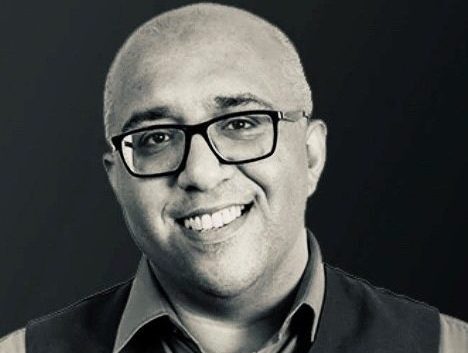
Eng. Manan Qureshi
APAC Head of Security Strategy, Risk & Compliance Practice, IBM Security (Singapore)
Manan in his previous tenures has worked in leadership roles both on the management consulting side and on the consumer side across APAC, Middle East, Europe and North America managing multi-country portfolios across Cyber ,Organisational Resilience and GRC in a range of verticals including Finance, Defence, Telecom, Government and R&D.
In his previous Role as CISO at Riyad Bank – Manan lead the seismic shift in their Cyber Security and Organizational Resilience program – and was instrumental in driving convergence across both silos.
He also participated in Digitalization Roadmap of the organization that had stringent regulatory requirements of a cross-geo operations Manan has worked on both sides of the aisle – both on the consulting side and the consumer side. At KPMG, Devoteam and Accenture where he was also focused on leading engagements relating to Enterprise Risk Management, Cyber Resilience, Business Continuity & Disaster Recovery, Crisis Management, Governance Risk and Compliance across Financial, Aviation, Oil & Gas, Telco & Defence Sectors.
On the consumer side in Societe Generale, HSBC and Riyad Bank – Manan lead multi-country portfolios covering Cyber & Organisational Resilience- Dealing with PCI-DSS, ISO31000, ISO27K1 and ISO22301 Certifications along with elevating the programs to a higher posture of maturity. Manan speaks regularly on the speaking circuit across various leading global forums
– the last three being the CISO Conference in Dubai, Emerging Cyber Threat Summit in Australia and the RiskSec Conference in Toronto. Manan holds his Bachelors in Computer Engineering from Cyprus- along with other industry specific academic accreditations.
Matthias Muhlert
Chief Information Security Officer, HELLA

Lady Olga Maitland
Founder, UK Defence and Security Forum and Chairman, Copenhagen Compliance (UK)
Lady Olga Maitland, Founder, Defense and Security Forum and Chairman, Copenhagen Compliance – has wide experience in all major Governance, risk Management and Compliance issues in general and global Fraud and Corruption problems in particular. She is a special adviser to a number of dignitaries and a widely sought after speaker at all Major Conferences on several Corporate Governance issues. Lady Olga is a former British MP for the Conservative party. Prior to her political career she was a reporter for the Fleet Street News Agency, a columnist in the London.
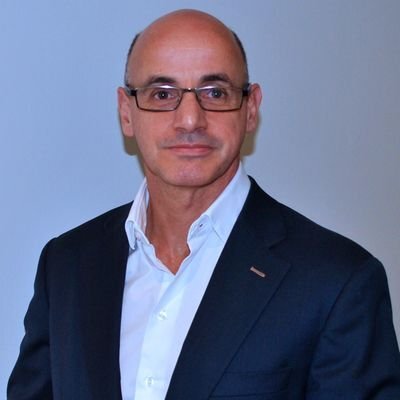
Ray Stanton
SVP/Group Chief Security Officer
An experienced Senior Leader & Corporate Executive, Security & Risk Professional, Ray is a globally acknowledged and well-known thought leader; recognised and highly respected as someone who delivers. Ray has sat on global programmes for the World Economic Forum on Cyber Resilience and the Advisory Board for the Information Security Forum. Ray has held Group CiSO/CSO & EVP roles for BT, National Grid, Interoute, Redwood Technologies and Airbus UK. He has been fortunate enough to have held global accountability, ranging from consultancy, through to design, build and run of managed services; including full profit and loss ownership for multiple business lines, while combining this experience with protection of Critical National Infrastructure in the Energy and Communications industries.
Prof Dr Robert Coles
Visiting Professor, Royal Holloway
Professor Dr. Robert Coles is a Visiting Professor at Royal Holloway, University of London, where he is conducting his research into security culture change. He also runs his own consulting business. Prior to this, Robert was the first Chief Information Security Officer at GSK from 2013 to 2018. Robert held several CISO roles prior to joining GSK. He was the first CISO at National Grid and Merrill Lynch before that. In all these roles, he owned the information security risk and was responsible for providing global leadership. He was accountable to the Executive and PLC Boards for establishing information security strategy and direction. Building global information security capabilities and overseeing all of the information security initiatives across the organisations has been his primary career focus. Robert has been working in the field of Information Security for over 30 years, including “head of” roles at Royal Bank of Scotland, and the lead partner in KPMG’s Information Security Services for EMEA. Robert has extensive links with major industry information security networking groups and government security agencies. He also has links with a number of universities and participates in leading edge research, particularly with Royal Holloway where he is an Executive Sponsor for the Institute of Information Security Innovation, and Cranfield University where he is a External Advisory Board member. He was awarded a PhD in psychology at the University of Leeds in the perceptions of information and IT risk and has published and presented on this and other topics.
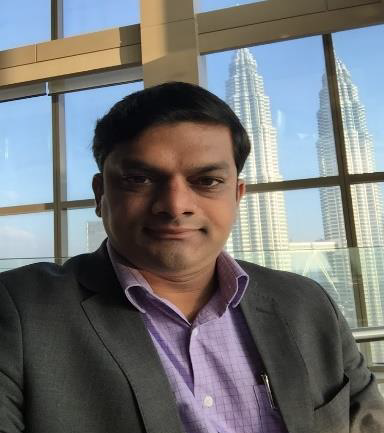
Rajeev E. Kumar
Franchise Dispute Resolution Management – AP, Mastercard
Rajeev Kumar is part of the Mastercard’s Franchise team and responsible for managing Dispute resolution & Account Data Compromise events for AP region and Customer Engagement & Performance for South Asia division. He has over 13 years of work experience in areas of Fraud Risk Management, Financial crime prevention & investigation in Banking and Financial services sector. His career to date has primarily focused on formulating risk management strategies, implementing fraud/security/Chargeback control initiatives, including promoting usage of risk management tools and driving Safety & security awareness through regular engagements with customers, regulators and third party service providers.
Rajeev is based in Mastercard’s Bangalore office in India.

Dr Sally Leivesley
Director, Newrisk Ltd, A Founder Member, The Exercise Group7 (UK)
Dr SALLY LEIVESLEY PhD Lond.,MSPD, BA(Hons) Qld., FICPEM, FRSA, MACE, MIABTI, RSES
Dr Leivesley leads Newrisk Limited, which specialises in catastrophic risk identification, mitigation, exercise testing and response across industries, supply chains, governments and populations with a current focus on emerging risks to smart cities. She is chair of an international scientific permanent monitoring panel on catastrophic risk and megaterrorism which meets annually in Erice, Sicily. Dr Leivesley collaborates with a number of specialists groups on aviation threats and distributed energy systems sustainability with publications on strategic analysis in the operating environment (ICNS2015), Safety vs Security (NATO SAS-106 2014), and Resilient Core Networks for energy substation distribution for advanced energy grids (IEE PES General Meeting, 2014).
Dr Leivesley is a founding partner of The Exercise Group 7, TEG7 LLP (www.teg7.co.uk) which provides training courses for skills development and education on the rapidly changing demands from technology and risk to business systems and security.
Dr Leivesley researches human factor failures, terrorist and hostile nation state threats across physical and cyber security. Dr Leivesley was the first to publicly identify cyber-hijack as one of the possible forensic causes of MH370 flight loss and she participated in documentaries such as the Discovery Channel ‘Flight 370: The Missing Links’ and in a five year anniversary documentary in March 2019. http://www.newrisk.com/recentmediacommentary.html . Since 9/11 Dr Leivesley has provided regular television, radio and print media commentary and live broadcast assistance during high threat events within the UK and for international broadcasting to Europe, USA, ME and Australia. Events include the London 7/7 and 21/7 bombings, Westminster and London Bridge/ Borough Market attacks, North Korean nuclear threats, Iranian threats, the Oslo bombing, Wikileaks and Snowden’s data leaks, ISIS and Al Qaeda inspired attacks, militia style attacks on cities and hostage events including Beslan.
Dr Leivesley undertook her Doctorate at the University of London, focusing on catastrophic loss events and trained as a Scientific Advisor with the British Home Office on nuclear, chemical and biological threats. In the UK Dr Leivesley has presented on solar storm effects on system critical control devices and was a member of the technical committee for the first UK guidance document on Resilience and Cyber Security of Technology in the Built Environment published by the IET under sponsorship of the Centre for the Protection of National Infrastructure (CPNI)
Dr Leivesley is a Member of the Register of Security Engineers and Specialists (Institution of Civil Engineers); a member of the International Association of Bomb Technicians and Investigators (IABTI), the Royal United Services Institute (RUSI); the Information Assurance Advisory Council Community of Interest (IAAC); and the Australian College of Education. She holds Fellowships with the Institute of Civil Protection and Emergency Management and the Royal Society of Arts, Manufacturing and Commerce. Dr Leivesley has undertaken research into a new generation of communications in response to catastrophic risks in cyber security and development operations for innovation in financial services.
Tobias Gondrom
Group CISO, UOB (Singapore)
Dr Viktor Polic
Head of Information Security and Assurance Services Unit, International Labour Organization (ILO), United Nations (Switzerland)
More than two decades of professional experience in information management and governance, with particular focus on information security, risk management and assurance for large multilateral public sector organizations with global presence. Actively contributing to inter-organizational working groups for establishing policies, standards, and guidelines in the area of information security, personal data protection, awareness programs, risk analysis and metrics. Conducting research in cryptography, data protection regulation, and risk management. I’ve started professional career in information technology in the year of the release of Mosaic Web browser, Intel Pentium CPU, Microsoft Windows NT, Debian Linux, Doom computer game… Since the Internet bubble, teaching computer science and telecommunications courses as adjunct faculty at Computer Science Department of Webster University in Geneva. Actively contributing to academic program advancement as a member of the Scientific Committee for Advanced Studies in Information Security at the Department of Management Studies of the Faculty of Economic and Social Sciences at the University of Geneva. Advocating advancement in information security as an author in journals and as a speaker at professional conferences such as Cloud Security Alliance congress, Chief Information Security Officers summit, (ISC)2 congress.
More than two decades of professional experience in information management and governance, with particular focus on information security, risk management and assurance for large multilateral public sector organizations with global presence. Actively contributing to inter-organizational working groups for establishing policies, standards, and guidelines in the area of information security, personal data protection, awareness programs, risk analysis and metrics. Conducting research in cryptography, data protection regulation, and risk management. I’ve started professional career in information technology in the year of the release of Mosaic Web browser, Intel Pentium CPU, Microsoft Windows NT, Debian Linux, Doom computer game… Since the Internet bubble, teaching computer science and telecommunications courses as adjunct faculty at Computer Science Department of Webster University in Geneva. Actively contributing to academic program advancement as a member of the Scientific Committee for Advanced Studies in Information Security at the Department of Management Studies of the Faculty of Economic and Social Sciences at the University of Geneva. Advocating advancement in information security as an author in journals and as a speaker at professional conferences such as Cloud Security Alliance congress, Chief Information Security Officers summit, (ISC)2 congress.
Sponsors
300dpi Skybox Registered
Transparent For Light Backgrounds

Cisco With TM Cisco Blue
Cisco (NASDAQ: CSCO) is the worldwide technology leader that has been making the Internet work since 1984. Our people, products, and partners help society securely connect and seize tomorrow’s digital opportunity today. Discover more at www.cisco.com/sg/security and follow us on Twitter at @Cisco
Gigamon
Gigamon delivers network visibility and analytics for digital apps and services across physical, virtual and cloud infrastructure enabling organizations to run fast, stay secure and innovate.
“Top class speeches and presentations at the CISO 360 Congress! Thanks for such a worthwhile and enjoyable time”
Marketing Director, Blueliv (Official Sponsor)
“Excellent conference, brilliantly put together. Look forward to the next one!”
Partner, Bridewell Consulting (Official Sponsor)
Unique sponsorship proposition
WordItOut Word Cloud
Sponsors – CISO 360 Series
All Sponsors Banner









Gallery CISO 360 Asia & Oceania

Download materials
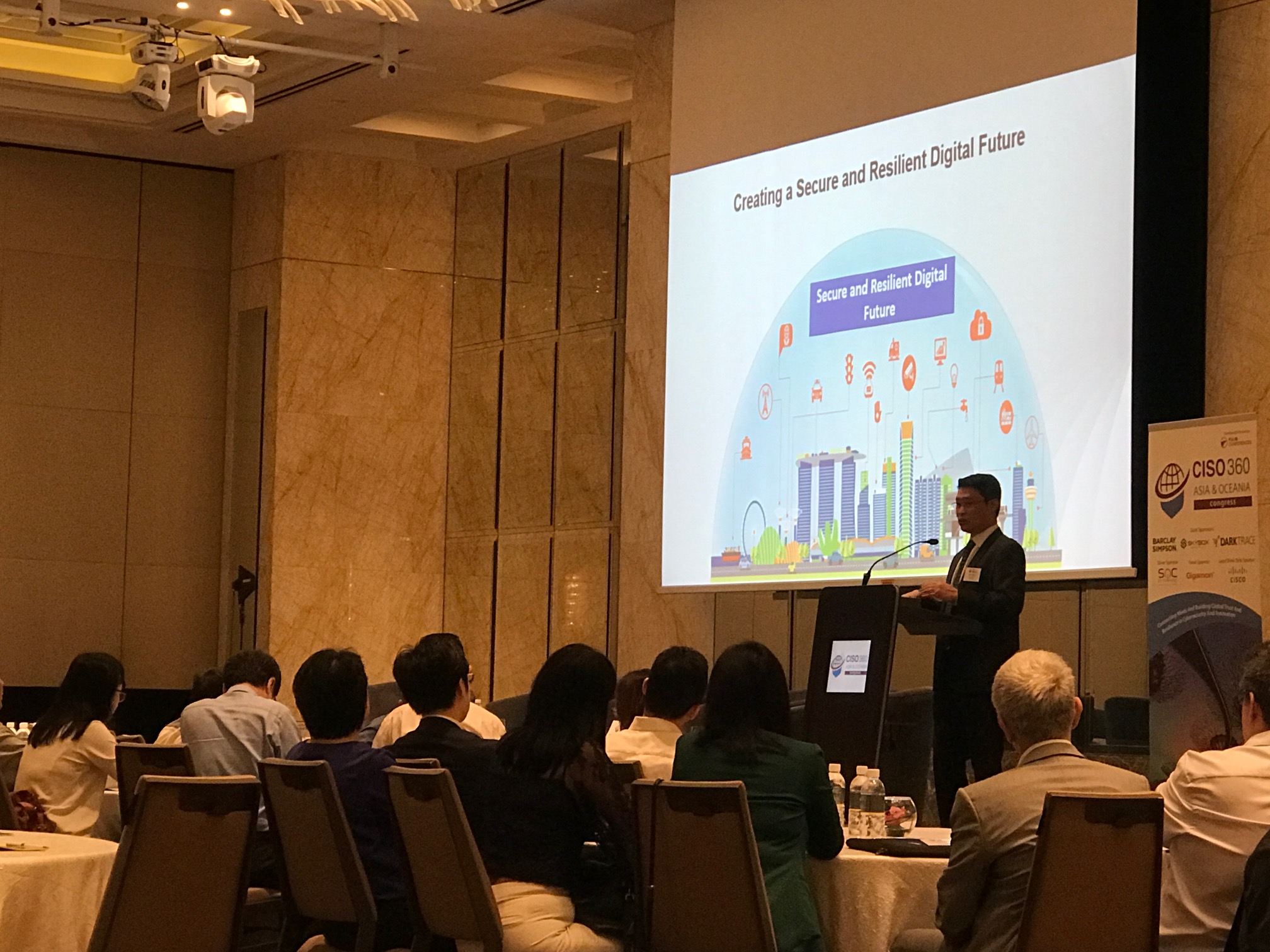 Download Presentation materials
 Download Final Programme

Testimonials – Pulse 360 series

“Amazing opportunity to share experiences and to learn in a very nice environment, CISO 360 is a great experience. You meet interesting people and you can learn a lot about cyber (risk, security, threats) and share experience and knowledge with top professionals. For me it has been a great experience and pleasure to attend the CISO 360.” – Philippe Besson, Europe Industries- Security Officer, Air Liquide GMS
“I found CISO360 2019 extremely valuable for several reasons, primarily networking with industry peers comparing our challenges and successes stories, hearing thought provoking and inspiring content during the conference itself and also hearing updates from vendors and solution providers on their latest capability additions and developments. A very worthwhile investment of my time and I hope the conference continues to grow.” – James Gosnold, Technology Services Head of Cyber Security, DWP

““A very thoughtful event, great networking and industrial expertise in the room to learn from!” – Ryan Chan, Director, Security, Laureate International Universities Malaysia
“Excellent value for me and my organisation. Being able to engage senior level execs in the cybersecurity space on a 1-1 basis is invaluable. The evening activities were entertaining and really helped build trust and relationships.” – Thomas Foster, SailPoint
“If you want to hear real CISO experiences, you must attend this event!” –Chuan-Wei Hoo, CISO, ST Engineering, Singapore
“The team always do a great job of providing excellent content, great networking, valuable introductions and useful sponsors. The must attend event for a senior information security leader.” – Martyn Booth, CISO, Euromoney Institutional Investor PLC
“The best cybersecurity event that I have ever attended. I look forward to seeing you next year!” – Manoj Wadhowa, Senior Manager, Cybersecurity, EY Singapore
“Team Pulse put together a fantastically well organised and thoroughly enjoyable event this year in Rome. The CISO 360 Pulse Conference was most informative, engaging and gave us a great opportunity for learning, networking and relationship building. Looking forward to the next one.”
– Synack
“ Thank you Pulse for the smooth organisation of this huge logistical challenge. My team told me it worked brilliantly and that the networking was one of the most valuable parts of being a sponsor.” – Catherine Coale, Company85
“Excellent event Pulse Conferences, we very much enjoyed the opportunity to meet new contacts in both a professional and social capacity. We also had a large number of new members to ClubCISO, an added bonus…. ” – Joe Breen, Company85

“I would like to extend my appreciation having been given the chance to witness the success of your recent event. I look forward to a further outstanding lineup of events from your organization!“
Christopher Rollan, Head of IT, intec, GOPA International Energy Consultants (Abu Dhabi)
“Excellent event, opportunity to meet likeminded professionals, sharing risk, worries, tools, best practises with
CISO from other industries sharing same issues, great eye opener, looking forward to the next event”
– Ali Zeb, CISO, MS Amlin

”Nowhere else will you find such relevant content for CISO’s, shared by leaders in their fields”, Joe Dauncey, Director Security Engineering, Inmarsat
Thank you @pulse_innovate for inviting me to speak on #neurodiversity at the #CISO360 Congress in Lisbon. Fantastic to meet so many inspirational Cyber leaders who are actively looking to increase their #diversity and share thoughts on the #cyberskillsgap pic.twitter.com/F8pSrHi5bh
— Holly Foxcroft (@holly_foxcroft) 21 June 2018
“A very engaging, varied and interactive event. The best conference I have ever attended!”
– David Colbourne, Information Security Manager, Lloyd’s of London
“This was our first but definitely not our last CISO360! A well planned and executed event with a clear goal of providing tangible value for the participants in combination with a great community feel sure makes it a stand-out event to return to.” – NetClean
“CISO 360: guaranteed insight and inspiration. A triumph thanks to the Pulse team!” – Colette Hanley, Chief Privacy Officer, Nokia Group
“Pulse delivers some of the most informative and worthwhile events. Their topics, speakers and ability to engage at the highest level to secure attendance means that you are constantly engaged and come away learning something new and meeting new contacts.” – Ben Bulpett, SailPoint
“By far the best event for 2018 I have attended. I always makes an effort to attend CISO 360 as it is not just an event, it is a trusted community that comes together from around the world!” Ali Zeb, Group CISO and Group DPO, MS Amlin
“A unique opportunity to share challenges thoughts and ideas with trusted friends, and gain valuable insights.”, James Kwaan, President, (ISC)2 Scotland Chapter
“CISO 360 is a must attend conference to keep up to the latest trends, best practices as well as main security concerns within the cybersecurity landscape” Luis Vilares, GRC Specialist, Euronext
It was an honour to talk at #CISO360Congress Thank you @pulse_innovate for inviting me. Here are my slides and more details on the topic covered.
https://t.co/MegpeFSAjO— Viktor Polic (@ViktorPolic) 26 June 2018
“”The best speaker line-up of any security conference in Europe!”
– Michael Colao, Head of UK Security, AXA
“Pulse have raised the bar when it comes to planning and running conference events. Other organisers should take note.”, Brian Brackenborugh, CISO, Channel 4
“CISO 360 is a great experience. You meet interesting people and you can learn a lot about Cyber (risk, security, threats) and share experience and knowledge with top professionals. For me it has been a great experience and pleasure to attend the CISO 360.” – Sérgio Gonçalves, Logista Portugal
“CISO 360 Congress 2019 created a strong platform for peer review, cross pollination of idea and networking.” – Chucks Ojeme, CISO, Gebauer & Griller
“Thank you, Pulse Conferences, for a great event. CISO 360 combined interesting varied talks with fantastic
networking opportunities, facilitating very interesting thought provoking conversations”
– Dr Jessica Baker, Co-Founder, Socio-Technical Lead, Redacted Firm Ltd
“Great speakers, great venue, intelligent discourse, Pulse CISO 360 Congress has it all!” Quentyn Taylor, Director of Information Security EMEA, Canon Europe
Sad to be leaving #CISO360Congress from @pulse_innovate early as I have to be back in London tomorrow. Defintely the infosec conference of the year so far !
— Quentyn Taylor (@quentynblog) 21 June 2018
“The CISO 360 conference brought together a collection world leading experienced security leaders who shared
their knowledge and experience with their peers in an open and collaborative manner under Chatham house
rules. This was complimented with case studies from selected top tier partners and organisations to provoke further debate and discussion during the talks or later during 1×1 networking conversations. The presentations; case studies; and strategy sessions were practical and relevant because they were born out real world security challenges faced by Global CISO’s across multiple sectors. I found the open knowledge sharing; networking; and presentations were very valuable to either validate existing approaches or provoke fresh ideas by getting a different perspective.”
– Stephen Khan, Global Head of Information Security Architecture & Transformation, Royal Bank of Scotland
Great to see these kinds of debates at #CISO360Congress this is the model for future security conferences. It’s not all tech we need to develop and grow as an industry pic.twitter.com/tjXBp8SuWz
— Quentyn Taylor (@quentynblog) 21 June 2018
“Refreshing views of security topics for knowledge improvement!”
Pedro Cunha, CISO, Credibom
““Top class speeches and presentations at the CISO 360 Congress in Barcelona! Thanks for such a worthful and enjoyable time”
-Sponsor testimonial, Blueliv
Our CEO @markfelegyhazi on the stage of the 2nd #CISO360Congress along with experts such as #DerekChang of @TalkTalk, #JamesKwaan from @IsacaScotland and #AftabAfzal @ensilo. Thank you all for an inspiring discussion! pic.twitter.com/GroejEJIFo
— avatao (@theavatao) 21 June 2018
High quality 60mins #CISO360 @mikko pic.twitter.com/khkIJhzsBB
— Jonathan Luff (@jjluff) 20 June 2018
“”The conference was full of expert speakers. You wouldn’t want to miss any of them. Particularly on the
Boardroom/ Roundtable discussion (last day), it is like a strategic planning and facing the board of directors,
but with less pressure. Excellent!”
– Irene Corpuz, Section Head – Planning & IT Security, Western Region Municipality – UAE Government
“An excellent event in beautiful Rome! I had an amazing time socially and professionally… made so many great connections!. ” – James Chuka, Sailpoint
 “
”I found CISO360 Conference a great place to share ideas about current and future problems”
– Sonia Morales, Head of Section, GMV
“Pulse Conferences stand out for being up to the minute with developments and concerns. Fist rate speakers
and an agenda that is total appropriate and informative. Excellent buzz and networking.”
– Lady Olga Maitland, CEO Copenhagen Compliance; Founder, Defence and Security Forum
““Interesting exchange of insights and experiences from different companies, sectors, and levels of maturity. An honour to have been there.”
– Ramón Serres, Head of Information Security, Risk Management and Quality, Almirall

““Pulse organised a fantastic CISO360 conference in Barcelona, which brought together some of the world’s most successful CISOs to discuss pressing cyber security issues and share experiences. The agenda was diverse, with senior professionals from across the globe sharing their experiences, and great networking sessions were facilitated by the organisers with good food and flowing conversation. I would highly recommend CISO360 and
look forward to this conference going from strength to strength”
– FC, Co-Founder, Head of Ethical Hacking, Redacted Firm Ltd
““Excellent conference, brilliantly put together. Look forward to the next one.”
– Anthony Young, Partner, Bridewell Consulting
Enjoyed presenting @CylonLab and our investor perspective to the #CISO360 conference today. Thanks for all the great questions!
— Jonathan Luff (@jjluff) 20 June 2018
Me using my hands (of course) to talk to leading CISOs from around the world about #cybercrime and #cybersecurity in #VR – and what we can do to prepare for the inevitable challenges. Thanks to @pulse_innovate for giving me the opportunity! pic.twitter.com/d5P2rIjlUC
— Dr Victoria Baines (@cyberbaines) 21 June 2018
“You brought the world’s cyber concern to the UAE for awareness and also brought world experts to provide advice based on their own experience!“
Irene Corpuz, Head of Planning and IT Security, Al Dhafra Region Municipality (UAE)
Proud to have supported #CISO360Congress in Lisbon by @pulse_innovate. Thank you for having us as partners. pic.twitter.com/LerKkCopCv
— AP2SI (@AP2SI) 22 June 2018